If you are buying land in Abuja, the title is everything. A beautiful plot in a fast-growing area means nothing if the person selling it does not truly own it, or if the land is caught up in a government acquisition. Every year, buyers lose money to land they could not legally keep. The good news is that most of these losses are avoidable with proper checks.
This guide walks you through how to verify a land title in Abuja and the Federal Capital Territory before you part with any money.
Why title verification matters so much
In Nigeria, the fact that someone is holding a document, or is confidently showing you around a plot, does not prove ownership. Land can be sold twice, sold by someone with no right to it, or sit on land the government has already acquired for public use. Verification is how you separate a genuine opportunity from an expensive mistake.
Step 1. Ask for the title documents first
Before anything else, ask the seller for the documents that prove ownership. Depending on the land, this may include a Certificate of Occupancy (C of O), a Deed of Assignment, a registered survey plan, or a letter of allocation. If a seller cannot produce any ownership document, treat that as a serious warning sign.
Step 2. Confirm the documents at the land registry
Genuine title documents can be checked against the records held by the relevant land registry, in the case of the FCT, the Abuja Geographic Information Systems (AGIS). A search confirms whether the document exists in the official records, who the registered owner is, and whether there is anything registered against the land, such as a mortgage or a dispute.
Step 3. Run a survey and check for government acquisition
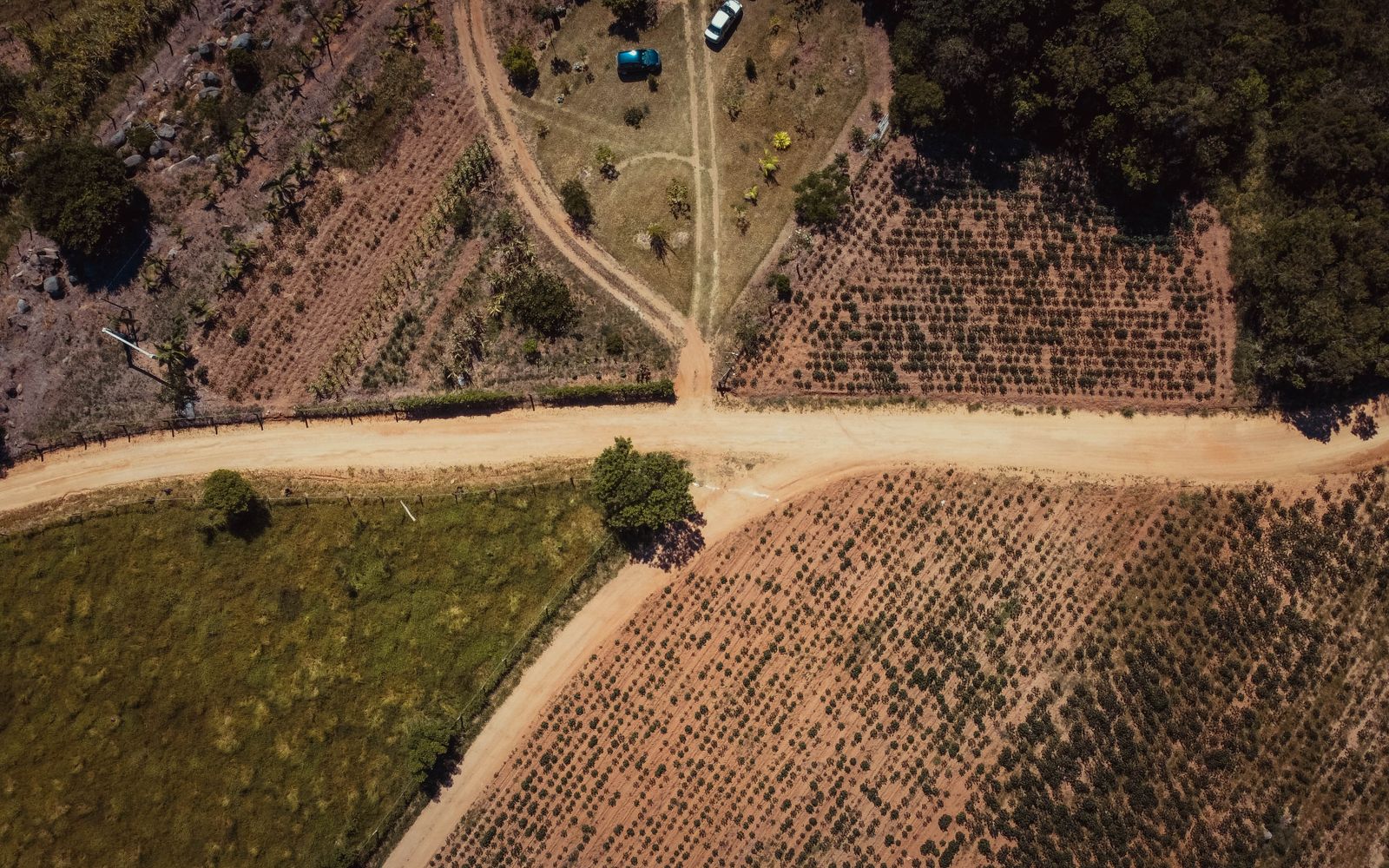
A registered surveyor can confirm that the physical land matches the survey plan, and can check whether the plot falls within an area the government has acquired or committed to another use. Land under acquisition can be difficult or impossible to build on, no matter what the seller tells you.
Step 4. Verify the seller's identity and right to sell
Confirm that the person selling is the registered owner, or is properly authorised to act for the owner, for example through a registered power of attorney. For family or community land, make sure the right people have consented to the sale.
Step 5. Use professionals you trust
A property lawyer and a licensed surveyor are not an added expense, they are your protection. The cost of proper checks is small compared to the cost of buying land you cannot keep.
At Safehaven, we verify ownership and documentation at source before a listing ever reaches you. If the paperwork does not hold up, you never see the plot.
The simple rule
Never pay for land on trust alone. Confirm the documents, confirm the land, and confirm the seller, in writing, before money changes hands. If you would like help checking a property in Abuja or the FCT, talk to our team.